Work that waits
Requests sit in inboxes and queues between people. The delay is rarely in the work itself.

We work with operators on the bottlenecks that slow them down, and help them change how the work gets done before they're left behind.
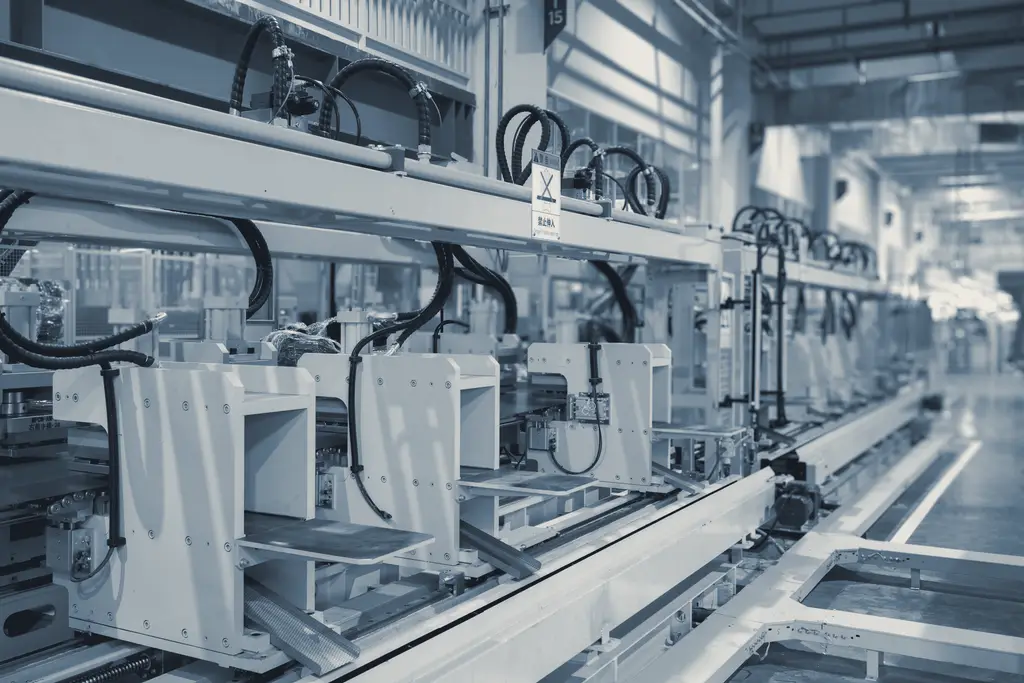
Most established companies were built for a slower world. The work still gets done, but it waits: on a person who holds the knowledge, on a spreadsheet only one team trusts, on information typed twice between systems that do not talk to each other.
Inside the business this feels normal. From outside, it is often the easiest thing to see, and a good place to start.
Requests sit in inboxes and queues between people. The delay is rarely in the work itself.
Critical steps depend on someone who has been there for years. When they are out, the work slows or stops.
The same information is entered more than once, checked by hand and reconciled at month end.
Advice that stops at a slide deck leaves the hard part to you. Technology bought without a clear view of the work tends to automate the problem instead of removing it.
We sit between the two. We decide what should change, then help build it, including AI where it genuinely fits and plain code or a better process where it does not.
A fixed-scope piece of work that finds the stage that costs you the most and sizes it, with the evidence behind each estimate. The report is ready in 30 days, usually sooner.
You receive the findings and a recommended sequence. What happens after that is a separate decision.
An illustrative example (not a client): A request for quote arrives on Monday and waits until the one estimator who knows the pricing is free. On Wednesday the confirmed order is typed into the ERP, then again into the scheduling spreadsheet. On Thursday a machine change moves two jobs, and the whiteboard is updated but the spreadsheet is not. A Diagnostic follows a flow like this step by step to find where it waits, and what that waiting is worth sizing first.
Illustrative composite, not a client account.
Case-study option. You can choose to let us publish an anonymised case study of the work. It is optional, set out in plain words in the agreement (what we may publish and where, and your right to stay anonymous), and nothing is published until you approve the final text.
Prefer to talk first? Book an introductory call
Tell us where the business is stuck. A short call is the first step.